Boiler and Cooling Water Testing
Routine testing helps operating teams control hardness, alkalinity, chloride, sulphite, phosphate, silica, pH and treatment residuals that influence scale, corrosion and heat-transfer performance.
Turn routine measurements into useful operating information.
Routine testing helps operating teams control hardness, alkalinity, chloride, sulphite, phosphate, silica, pH and treatment residuals that influence scale, corrosion and heat-transfer performance.
- Test boiler feedwater, boiler water, condensate, cooling-tower make-up and circulating water at defined sampling points.
- Select the range based on expected operating limits and the treatment programme.
- Trend results rather than relying on isolated readings.
- Investigate sudden changes alongside conductivity, blowdown, chemical dosing and system operation.
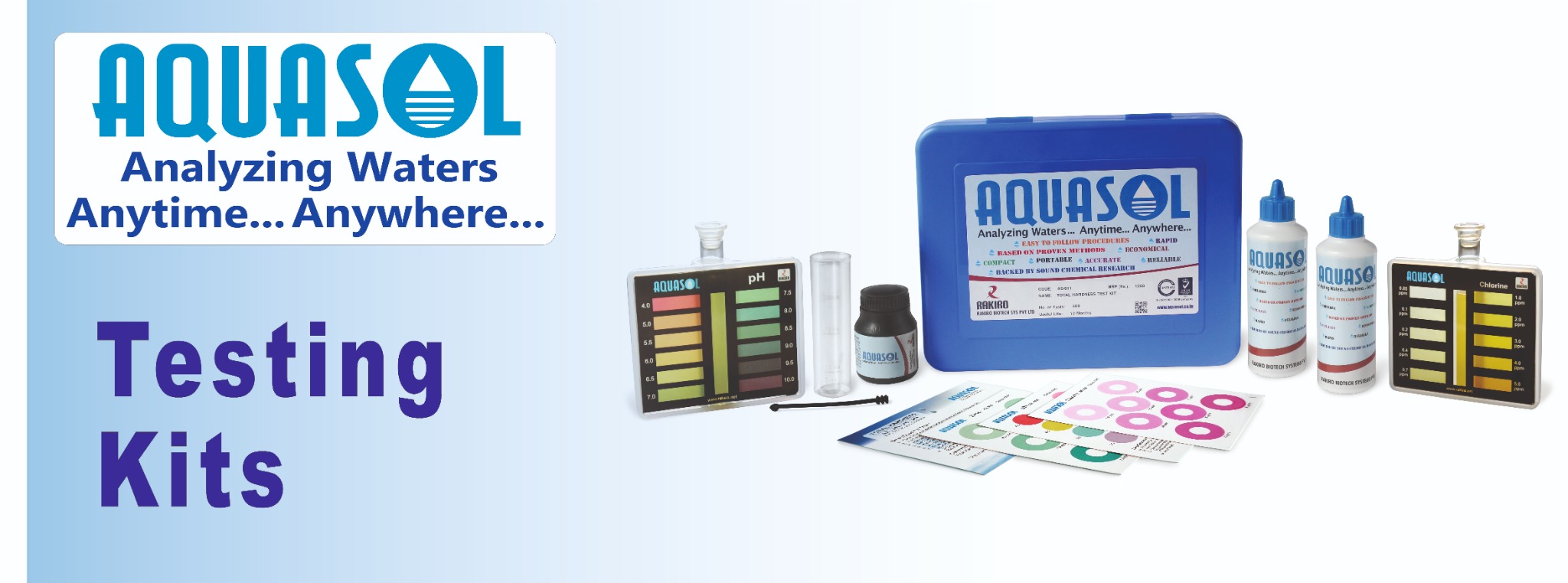
Suggested kits for this application
Final selection should be based on the required parameter, expected range and approved testing procedure.
 AE101 · Combination Water Test Kits
Cooling Water Combination Test Kit
Water is required to be cooled for many processes for example air conditioners manufacturing processes or power generation etc. A cooling tower is used to reduce the temperature of a water stream by extracting
 AE102 · Combination Water Test Kits
Boiler Water Combination Test Kit
Boilers are systems which generate steam which consists of two principal parts: the furnace which provides heat usually by burning a fuel and the Boiler proper a device in which the heat changes water into stea
 AE201 · Individual Water Test Kits
Total Hardness Test Kit (250 Test)
When water passes through or over deposits such as limestone the levels of Calcium and magnesium ions present in the water greatly increase and cause the water to be classified as hard water. Hardness in water
 AE203 · Individual Water Test Kits
Chloride Test Kit
Chloride ions are one of the major inorganic anions in water and wastewater. Although high concentrations of chloride in water are not known to be toxic to humans they may corrode metal pipes. It is essential t
 AE204 · Individual Water Test Kits
Alkalinity Test Kit
The alkalinity of water is capacity of water to neutralise acid to desired ph. It is mainly a sum of carbonate bicarbonate and hydroxide ions. Salts of weak acids like borate silicate and phosphate may also con
 AE206 · Individual Water Test Kits
Sulphite Test Kit
Sulphite is not usually present in surface waters. If sulphite is discharged in effluents or from domestic wastewaters it readily oxidizes to sulphate. Sodium sulphite the most common form of sulphite is an exc
Boiler and Cooling Water Testing FAQs
How often should field testing be performed?
Frequency depends on system risk, operating variability, treatment programme and regulatory requirements. High-risk or rapidly changing systems should be checked more frequently.
Where should samples be collected?
Use representative points that reflect the water being controlled. Define consistent locations so results can be compared over time.
What should be done with an unexpected result?
Repeat the test using fresh sample and clean equipment, review the procedure, then confirm critical findings through an approved laboratory or technical specialist.