
Drinking Water Field Testing
Portable testing supports rapid screening of drinking-water sources, treatment systems, tanks and distribution points for key physical and chemical parameters.
Turn routine measurements into useful operating information.
Portable testing supports rapid screening of drinking-water sources, treatment systems, tanks and distribution points for key physical and chemical parameters.
- Use clean sample containers and avoid contamination from taps or storage vessels.
- Test disinfectant residuals close to the point of use.
- Compare values across source, treatment and distribution locations.
- Confirm regulatory or critical findings using an approved laboratory.
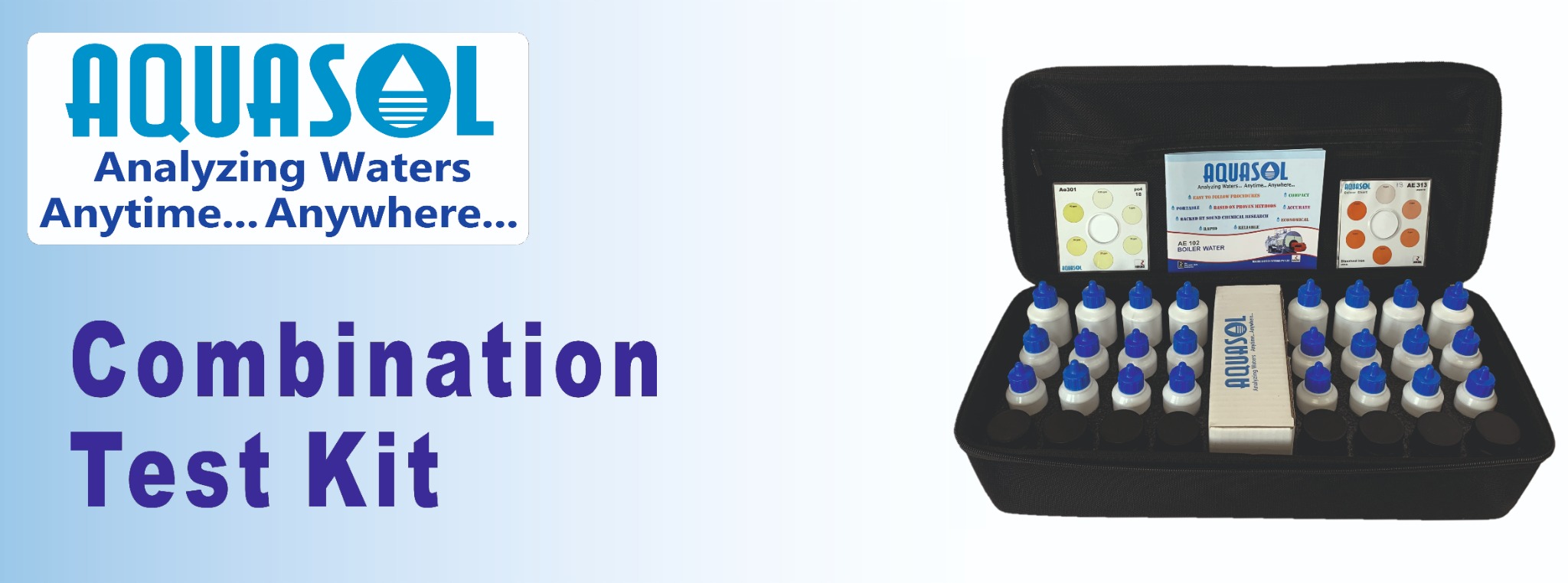
Suggested kits for this application
Final selection should be based on the required parameter, expected range and approved testing procedure.
 AE103 · Combination Water Test Kits
Drinking Water Combination Test Kit
Drinking water is supposed to be safe for consumption by humans and animals. Water may be naturally safe or it may need to be treated in order to be safe. Water which is not safe to drink can carry diseases and
 AE205 · Individual Water Test Kits
Free Chlorine Test Kit
Chlorine is the most widely used oxidizing biocide today for disinfection of domestic water supplies as also for the removal of tastes and odours from water. The amount of chlorine required to be added in a wat
 AE210 · Individual Water Test Kits
Fluoride Test Kit
Fluoride occurs naturally in all types of water. Typically surface waters and sea waters have low concentration of fluoride while groundwater may contain high levels of fluoride as it may be exposed to many ino
Drinking Water Field Testing FAQs
How often should field testing be performed?
Frequency depends on system risk, operating variability, treatment programme and regulatory requirements. High-risk or rapidly changing systems should be checked more frequently.
Where should samples be collected?
Use representative points that reflect the water being controlled. Define consistent locations so results can be compared over time.
What should be done with an unexpected result?
Repeat the test using fresh sample and clean equipment, review the procedure, then confirm critical findings through an approved laboratory or technical specialist.