
Aquaculture Water Testing
Fish health, feeding response and pond productivity depend on stable water chemistry. Routine field testing helps identify changes in pH, ammonia, nitrite, nitrate and dissolved oxygen.
Turn routine measurements into useful operating information.
Fish health, feeding response and pond productivity depend on stable water chemistry. Routine field testing helps identify changes in pH, ammonia, nitrite, nitrate and dissolved oxygen.
- Sample at consistent locations and times.
- Increase monitoring during high feeding, high temperature, rainfall or low oxygen conditions.
- Interpret ammonia results together with pH and temperature.
- Act on trends before visible stress or mortality occurs.
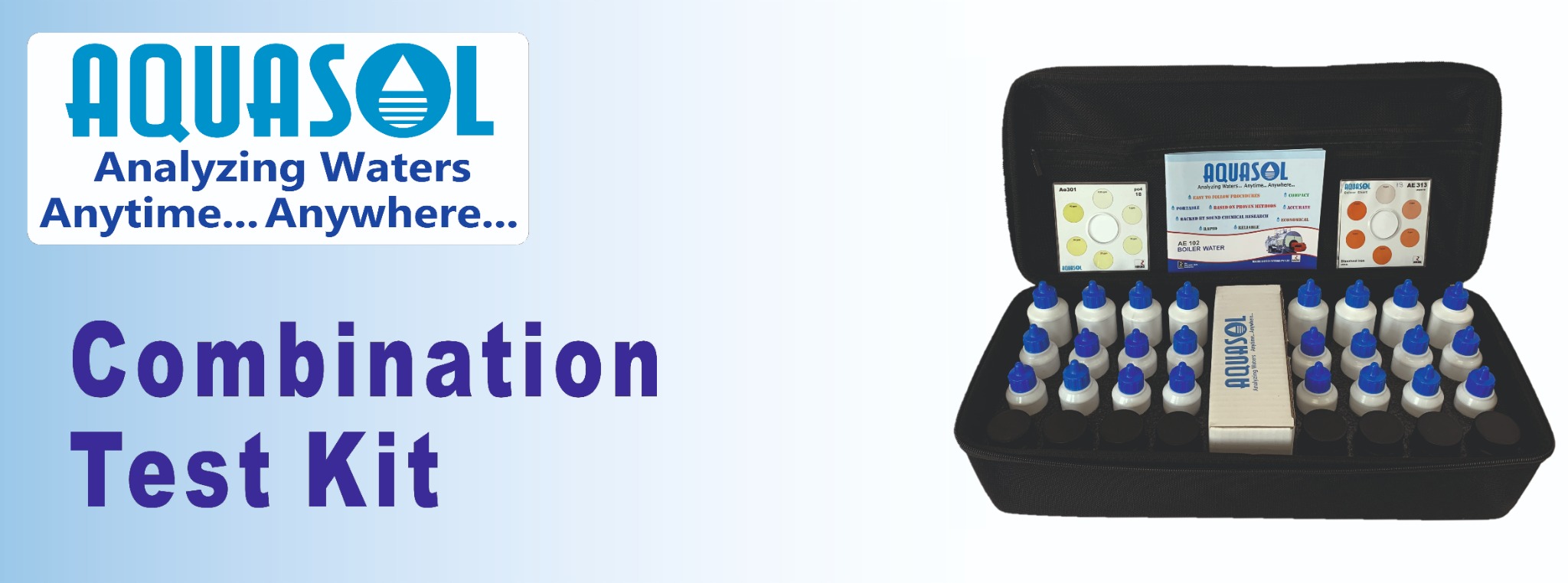
Suggested kits for this application
Final selection should be based on the required parameter, expected range and approved testing procedure.
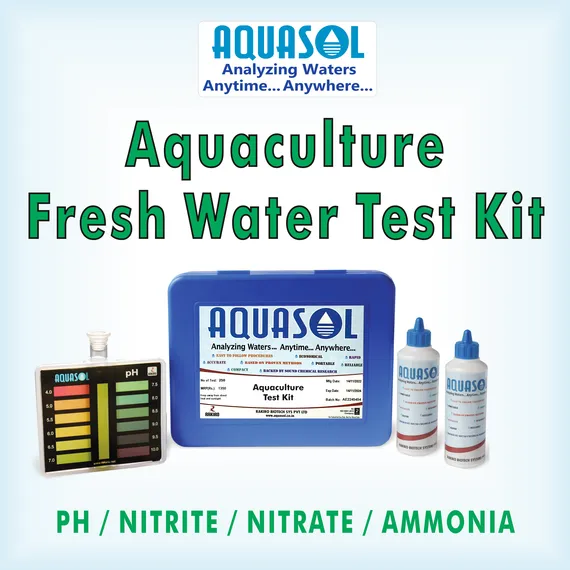 AE108F · Combination Water Test Kits
Aquaculture Fresh Water Test Kit
Fish farming of aquatic organisms is a growing and increase in demand for fish and fish products is creating challages in aquaculture systems. The growth in the farming of aquatic organisms has particularly led
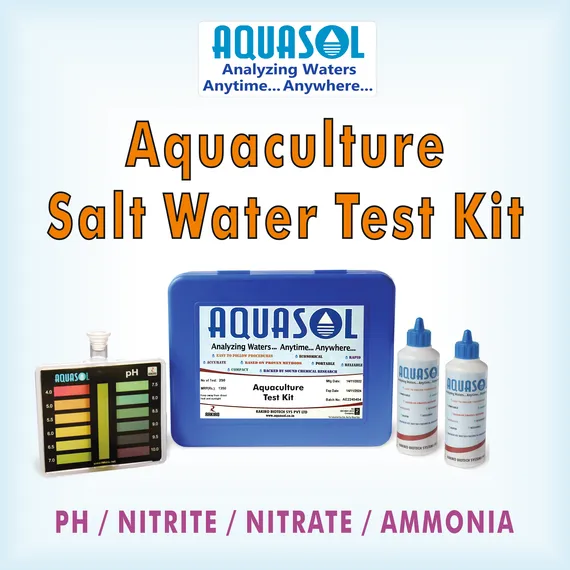 AE108S · Combination Water Test Kits
Aquaculture Salt Water Test Kit
Fish farming of aquatic organisms is a growing and increase in demand for fish and fish products is creating challages in aquaculture systems. The growth in the farming of aquatic organisms has particularly led
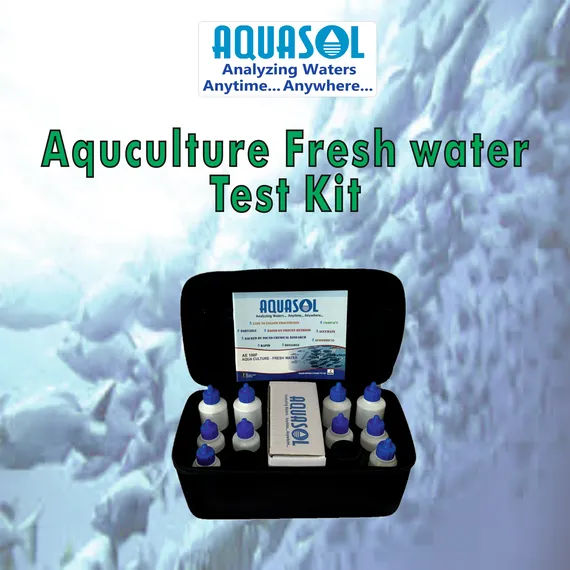 AE118F · Combination Water Test Kits
Aquaculture Fresh Water Test Kit
Fish farming of aquatic organisms is a growing and increase in demand for fish and fish products is creating challages in aquaculture systems. The growth in the farming of aquatic organisms has particularly led
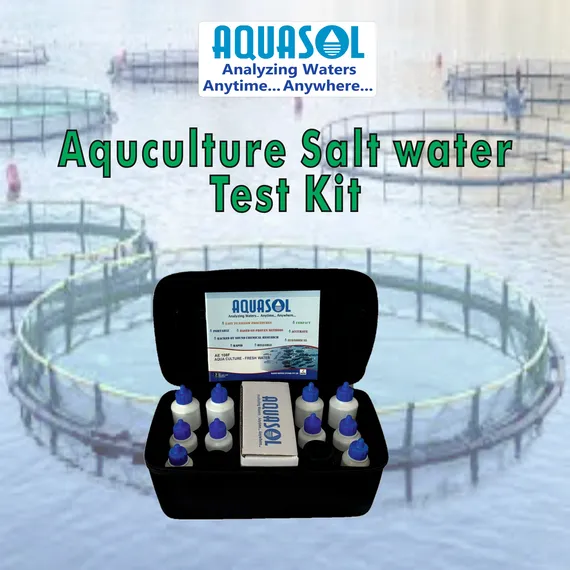 AE118S · Combination Water Test Kits
Aquaculture Salt Water Test Kit
Fish farming of aquatic organisms is a growing and increase in demand for fish and fish products is creating challages in aquaculture systems. The growth in the farming of aquatic organisms has particularly led
Aquaculture Water Testing FAQs
How often should field testing be performed?
Frequency depends on system risk, operating variability, treatment programme and regulatory requirements. High-risk or rapidly changing systems should be checked more frequently.
Where should samples be collected?
Use representative points that reflect the water being controlled. Define consistent locations so results can be compared over time.
What should be done with an unexpected result?
Repeat the test using fresh sample and clean equipment, review the procedure, then confirm critical findings through an approved laboratory or technical specialist.