
Construction Water and Soil Testing
Water quality can influence concrete performance, corrosion risk and construction quality, while soil testing supports nutrient-management decisions in agriculture.
Turn routine measurements into useful operating information.
Water quality can influence concrete performance, corrosion risk and construction quality, while soil testing supports nutrient-management decisions in agriculture.
- Test construction water before major use or when source quality changes.
- Review pH, chloride, sulphate, acidity, alkalinity and dissolved solids as relevant.
- Use soil results to support—not replace—agronomic judgement.
- Maintain sample records by source and date.
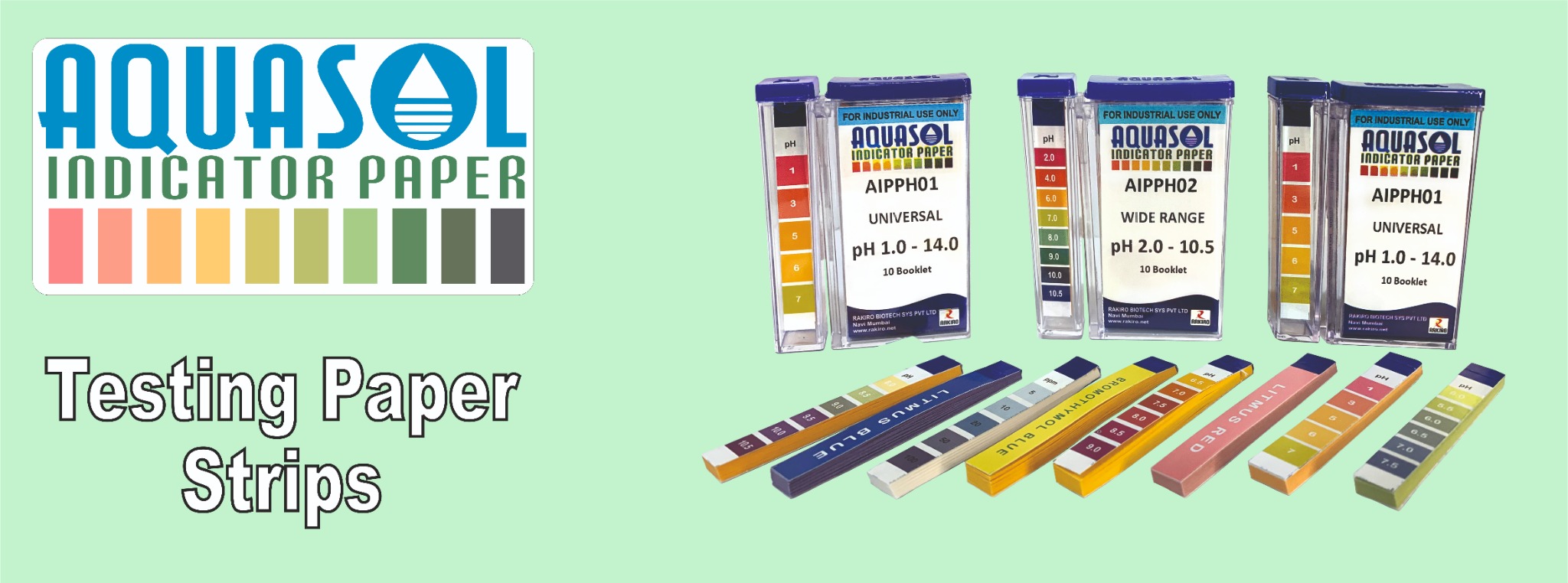
Suggested kits for this application
Final selection should be based on the required parameter, expected range and approved testing procedure.
 AE109 · Combination Water Test Kits
Construction Water Combination Test Kit
Water is one of the most important component in construction and is required for the preparation of mortar and mixing of cement concrete and for curing work etc. The quality of water used has a direct impact on
 AE110 · Combination Water Test Kits
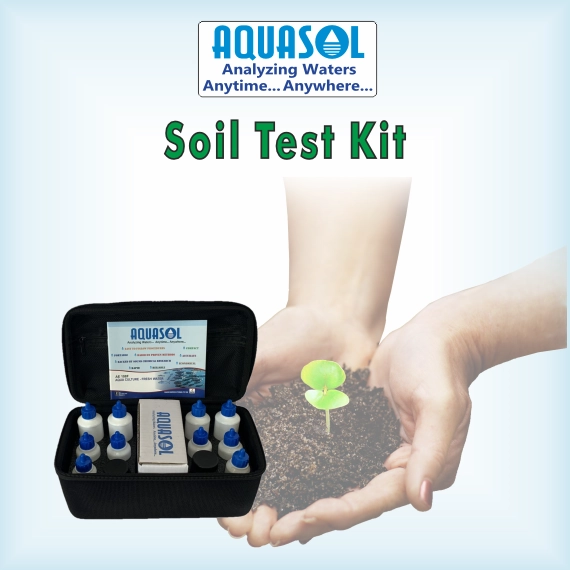
Soil Test Kit
Soil testing is the analysis of a soil sample to determine nutrient and contaminated content composition and other major nutrient characteristics. A soil test can determine fertility or the expected growth pote
Construction Water and Soil Testing FAQs
How often should field testing be performed?
Frequency depends on system risk, operating variability, treatment programme and regulatory requirements. High-risk or rapidly changing systems should be checked more frequently.
Where should samples be collected?
Use representative points that reflect the water being controlled. Define consistent locations so results can be compared over time.
What should be done with an unexpected result?
Repeat the test using fresh sample and clean equipment, review the procedure, then confirm critical findings through an approved laboratory or technical specialist.