
Free Chlorine Test Kit
Chlorine is the most widely used oxidizing biocide today for disinfection of domestic water supplies as also for the removal of tastes and odours from wate
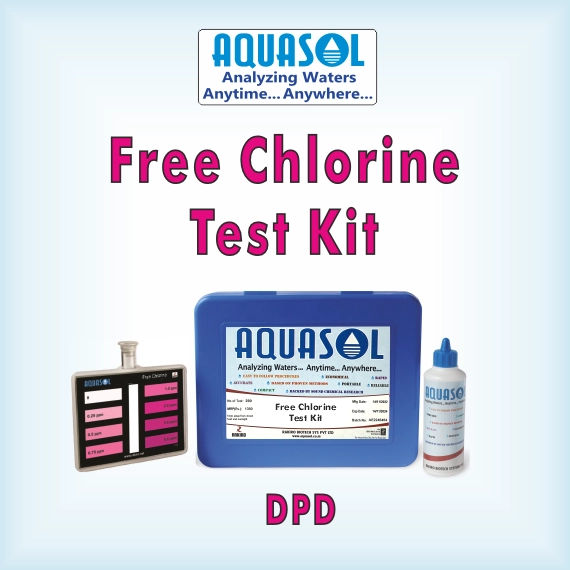
Free Chlorine Test Kit
Chlorine is the most widely used oxidizing biocide today for disinfection of domestic water supplies as also for the removal of tastes and odours from water. The amount of chlorine required to be added in a water system is determined by chlorine demand contact time ph and temperature of the water. Chlorine residual in drinking water indicates that disinfection has been achieved by chlorine and bacteria / viruses that cause diarrheal disease have been eliminated. Also the water is protected from recontamination during storage. Our AQUASOL AE225 - FREE CHLORINE TEST KIT is available as DPD Colorometric method and the kit gives very reliable results. The end point is very sharp and easily discernable by the user. Even a shop floor worker will be able to get desired results with our test kit.
Key features
- Onsite Field Test Kit
- Easy To Follow Procedures
- Based on International Standards (APHA/AWWA/IS)
- Rapid and Accurate and Reliable results
- Available in portable carry case
- Tested and Validated by leading Laboratory
- Economical and long shelf life.
Product specification
- Product Code: AE225
- Range: 0 - 5.0 PPM (MG/L)
- No of Tests: 200
- HSN: 90275090
- Packing: Plastic Case
Good testing practice
- Collect a representative sample
- Use clean test vessels
- Follow the stated timing and procedure
- Record and trend the result
- Confirm critical results where necessary
Using this Aquasol test kit
How should Aquasol test kits be stored?
Store the kit in its original packaging under the conditions stated in the product literature. Keep reagents tightly closed, protected from excessive heat and direct sunlight, and check expiry details before use.
Can this kit replace a certified laboratory test?
Aquasol kits are intended for rapid field and routine monitoring. Regulatory, dispute, validation or critical release decisions may require confirmation using an approved laboratory method.
How can reliable results be obtained?
Use a representative sample, clean test vessels, follow the exact sequence and timing in the manual, avoid cross-contamination and record results immediately.