Swimming Pool Water Testing
Regular testing of disinfectant residual and pH helps maintain clearer, more comfortable and hygienic pool water.
Turn routine measurements into useful operating information.
Regular testing of disinfectant residual and pH helps maintain clearer, more comfortable and hygienic pool water.
- Test frequently during periods of heavy use.
- Measure away from chemical-dosing points.
- Correct pH before interpreting disinfectant performance.
- Follow local pool operating and safety requirements.
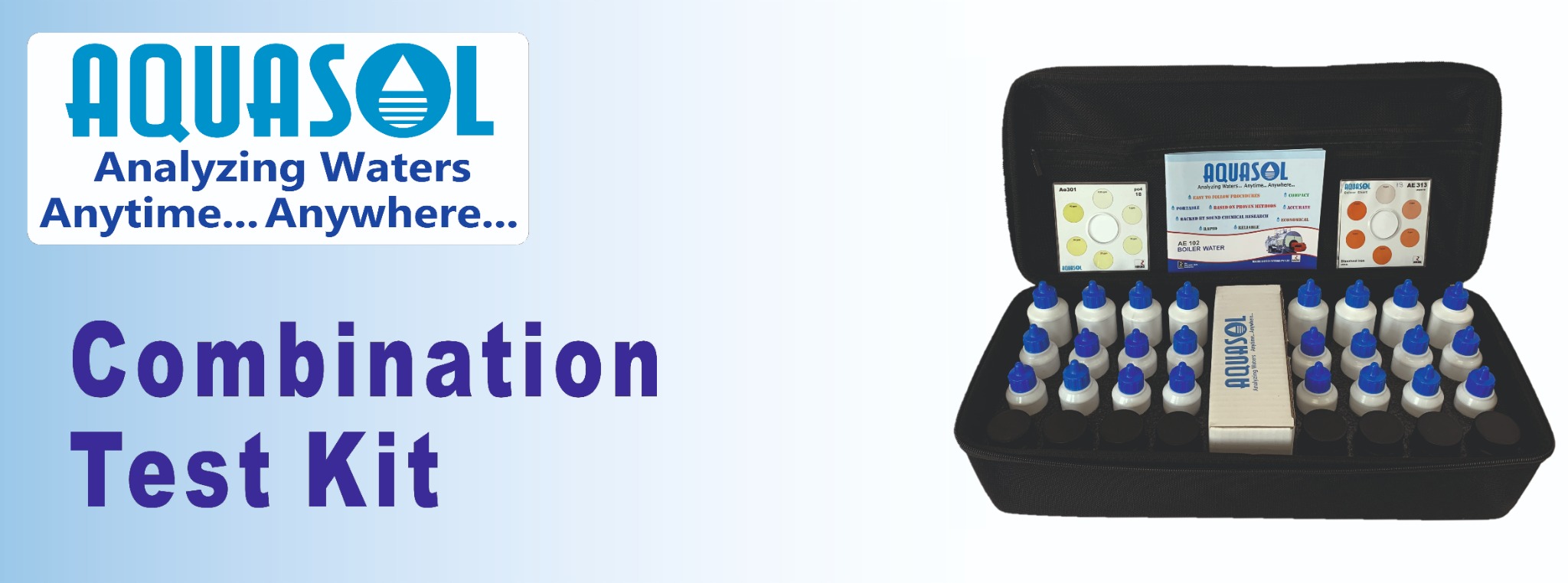
Suggested kits for this application
Final selection should be based on the required parameter, expected range and approved testing procedure.
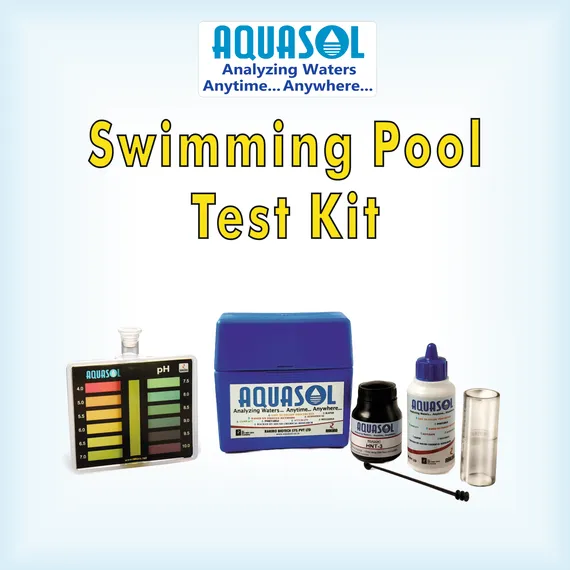 AE105 · Combination Water Test Kits
Swimming Pool Test Kit
The quality of swimming water can make a major difference on the quality of your swimming experience. Without properly balanced water swimmers may suffer a number of complaints from sore itchy eyes to dry skin
 AE205 · Individual Water Test Kits
Free Chlorine Test Kit
Chlorine is the most widely used oxidizing biocide today for disinfection of domestic water supplies as also for the removal of tastes and odours from water. The amount of chlorine required to be added in a wat
Swimming Pool Water Testing FAQs
How often should field testing be performed?
Frequency depends on system risk, operating variability, treatment programme and regulatory requirements. High-risk or rapidly changing systems should be checked more frequently.
Where should samples be collected?
Use representative points that reflect the water being controlled. Define consistent locations so results can be compared over time.
What should be done with an unexpected result?
Repeat the test using fresh sample and clean equipment, review the procedure, then confirm critical findings through an approved laboratory or technical specialist.